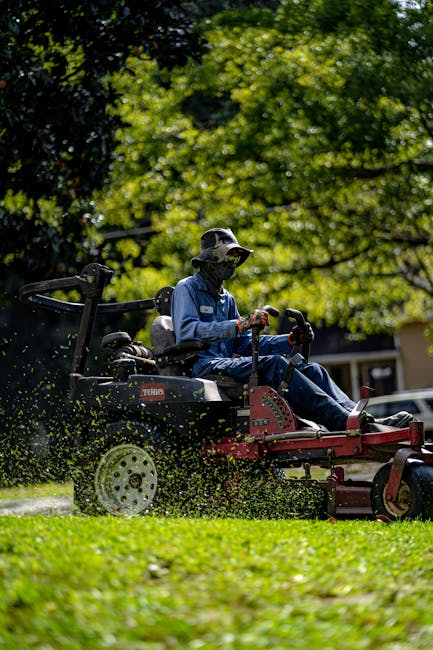
Commercial garden maintenance for Sipson businesses by gardeners
If you run a business in Sipson, you already know the outside of the property does a lot of quiet work before anyone steps through the door. A neat frontage, clipped hedges, healthy planting and a clean outdoor approach can make the whole place feel more cared for. That is really what commercial garden maintenance for Sipson businesses by gardeners is about: keeping your landscape presentable, safe, and easy to manage without turning it into another job on your own list.
In practice, the right maintenance plan is less about occasional tidying and more about consistency. Commercial sites need routine attention, a sensible schedule, and people who understand the difference between a garden that looks "fine" and one that creates the right impression every single week. Let's face it, a scruffy hedge or weed-riddled border can undo a polished business interior in seconds.
Below, you will find a practical guide to how commercial garden upkeep works, who needs it, what to avoid, and how businesses in Sipson can keep their outdoor spaces in good shape all year. There are a few simple wins here, and a few things people usually miss. Nothing dramatic. Just solid, useful guidance.
Table of Contents
- Why commercial garden maintenance matters
- How the maintenance process works
- Key benefits and practical advantages
- Who this is for and when it makes sense
- Step-by-step guidance
- Expert tips for better results
- Common mistakes to avoid
- Tools, resources and recommendations
- Law, compliance, standards, and best practice
- Options, methods, and comparison table
- Case study or real-world example
- Practical checklist
- Conclusion
- Frequently asked questions
Why Commercial garden maintenance for Sipson businesses by gardeners Matters
Commercial outdoor space is part of your brand, whether you manage a small office, a hospitality venue, a retail unit, a care setting, or a business park. People notice the outside first. They notice if the grass is long, if shrubs are blocking sightlines, or if the paving is slick with moss. And yes, they notice the good bits too: the tidy edging, the healthy planting, the clean paths, the feeling that someone takes care here.
In a place like Sipson, where businesses often need to balance practical access with a neat appearance, maintenance is not just cosmetic. It can help prevent overgrowth from spreading, reduce trip risks, and keep entrances inviting through wet months, windy weather, and those awkward in-between seasons when growth seems to appear overnight.
Commercial maintenance also matters because business sites are rarely uniform. One corner might need regular mowing, another might need hedge shaping, while a rear service area might only need seasonal clearance. A one-size-fits-all approach usually leaves something untreated. That is why a proper plan from gardeners is so useful: it aligns the work to the site, not the other way round.
Expert summary: good commercial garden care is not about making everything look flashy. It is about steady upkeep, visible order, and predictable standards that support your business image without creating unnecessary disruption.
For businesses that already invest in customer experience, this is a low-drama way to improve it further. The outside says a lot, sometimes before your staff even say hello.
How Commercial garden maintenance for Sipson businesses by gardeners Works
Most commercial maintenance starts with a site review. A gardener looks at the size of the grounds, the condition of the planting, the frequency of foot traffic, the visibility of entrances, and any problem areas such as shade, poor drainage, bare patches, or fast-growing hedges. That first look matters. It stops the work from becoming guesswork.
From there, the maintenance plan usually breaks into recurring tasks. These might be weekly, fortnightly, monthly, or seasonal depending on the site. A busy frontage may need lawn care and litter removal more often, while an internal courtyard may need pruning, watering, and planting care at slower intervals. Some properties just need a steady rhythm; others need a stronger reset first.
A typical commercial gardening routine might include:
- grass cutting and edging
- hedge trimming and shaping
- border and weed control
- planting refreshes and deadheading
- leaf clearance and debris removal
- patio and hard-surface cleaning where needed
- light tree and shrub work
- seasonal checks after strong winds or frost
Some sites also benefit from supporting services such as regular lawn mowing, hedge trimming in Sipson, or patio cleaning if paths and entrances are looking tired. For more complex grounds, a broader garden maintenance arrangement can keep everything under one plan.
The best systems are simple. Schedule the work, inspect the results, adjust when growth changes, and keep the site looking cared for. That is the whole game, really. Not glamorous, but effective.
Key Benefits and Practical Advantages
Businesses often start with the obvious benefit: appearances. Fair enough. A smart exterior gives customers, visitors, staff, and suppliers a better first impression. But the real value goes deeper than that.
1. Better presentation all year
Commercial gardens do not have the luxury of "we'll get to it later." A consistent schedule keeps the site tidy even when growth surges in spring or weather makes maintenance harder in winter.
2. Safer access
Overhanging shrubs, broken branches, slippery moss, and unchecked weeds can create avoidable hazards. Regular maintenance helps reduce those risks before they become complaints or disruptions.
3. Lower long-term repair needs
Neglected planting beds, blocked drains, and invasive roots can slowly turn into bigger issues. Good maintenance tends to cost less than rescue work, which is one of those annoying truths people only notice afterwards.
4. More usable outdoor space
Many businesses underestimate how helpful a tidy outdoor area can be. It may support staff breaks, customer waiting areas, staff wellbeing, or even brand presentation for hospitality and retail settings.
5. Less internal distraction
When maintenance is handled properly, managers and team members do not have to keep chasing the same jobs. That is a surprisingly big win. A small one, but real.
6. More predictable budgeting
Routine gardening work is easier to plan than emergency fixes. If you know what is being done and how often, financial planning becomes cleaner too. If you are comparing options, the pricing and quotes page is a sensible place to start.
| Benefit | What it means for your business | Typical result |
|---|---|---|
| Presentation | Cleaner first impression for visitors | More professional exterior |
| Safety | Clearer paths and reduced overgrowth | Lower trip and obstruction risk |
| Efficiency | Routine work replaces last-minute scrambles | Less disruption to staff |
| Asset care | Plants, lawns, hedges, and surfaces stay healthier | Fewer expensive recovery jobs |
Who This Is For and When It Makes Sense
Commercial garden maintenance makes sense for any business with visible outdoor space that contributes to operations, image, or safety. That includes obvious locations like offices and retail units, but also less obvious ones. A small private car park with borders, a staff courtyard, a pub garden, a nursery entrance, or a healthcare property can all benefit from structured upkeep.
It is especially useful if any of the following sound familiar:
- the site looks tidy one week and overgrown the next
- staff keep being asked to "just deal with" outdoor jobs
- customers or tenants see the garden before they see anything else
- hedges are blocking windows, signage, or access points
- the lawn is patchy, muddy, or worn in high-traffic areas
- you want a reliable, seasonal plan instead of one-off panic visits
It also makes sense when a business is trying to improve the feel of the place without launching into a full redesign. A lot can be achieved with pruning, tidying, weed control, and better maintenance discipline. If the grounds are already tired, landscaping support may be the right next step to reset layout and planting.
There is another group too: businesses that simply want to avoid the awkwardness of uneven standards. You know the type of site where the front looks decent, but the side passage is a mess? That mismatch is more common than people admit.
Step-by-Step Guidance
If you are planning commercial maintenance for the first time, keep it structured. Rushing straight into a service without a plan tends to create gaps. Here is a sensible way to approach it.
- Walk the site properly. Look at entrances, side access, rear yards, hedges, lawns, beds, hard landscaping, and any blind spots. Morning light often shows issues better than midday does.
- Identify priority areas. Customer-facing zones usually come first, then safety-related areas, then lower-visibility spaces.
- Set the maintenance frequency. Fast-growing lawns and hedges may need more regular visits. Shadier or lower-growth spaces may need less.
- Decide what is routine and what is seasonal. For example, mowing may be frequent in spring and summer, while leaf clearance, wind damage checks, and winter protection are more seasonal.
- Choose the right scope of work. Some businesses only need grass and hedge care. Others need broader gardening services, planting, or hard-surface cleaning too.
- Agree a communication method. You want to know what was done, what needs attention, and whether the site has changed since the last visit.
- Review after the first few visits. This is where the good plans become better. You may realise one corner needs more weed control or the lawn needs more frequent care than expected.
A practical example: a business with a small front lawn and hedge line may start with weekly mowing in the growing season, a monthly hedge check, and an autumn leaf clearance schedule. Simple enough, but it keeps the whole place looking managed.
For businesses with overgrown edges or neglected plots, starting with a one-off recovery can make all the difference. A useful reference point is this guide on reviving an overgrown garden, which reflects the same logic: clear the mess first, then maintain it properly.
Expert Tips for Better Results
After enough site visits, a pattern becomes obvious: the best-looking business gardens are rarely the most complicated. They are the most consistent. Here are a few practical tips that make a real difference.
- Keep planting choices realistic. If a frontage gets harsh sun, wind, or very little water, choose plants that can genuinely cope. Decorative but delicate planting can become a maintenance headache.
- Use structure to reduce effort. Defined edges, clear beds, and stable hedge lines help a site look tidy even between visits.
- Address weeds early. Once weeds establish in paving joints or borders, they take more time to control. Early intervention is cheaper and cleaner.
- Think in seasons, not just weeks. A site that looks fine in June can look battered by October if no one prepares for leaf fall, wind, and wet weather.
- Watch the edges. Edging along paths and beds often changes the whole feel of a site. It sounds small. It is not small.
- Match the routine to the weather. After storms, extra checks are sensible. After dry spells, watering and stress checks matter more than a quick cut.
One genuinely useful idea is to pair maintenance with resilience planning. For example, businesses exposed to gusty corners can learn a lot from the science behind protecting gardens from wind. Likewise, those with exposed planting can benefit from practical winter protection steps before the weather turns.
And yes, if your site feels a bit ordinary, it does not always need a big spend. Sometimes a few thoughtful changes are enough. Honestly, the "small fixes done well" approach is underrated.
Common Mistakes to Avoid
Commercial garden maintenance tends to go wrong in predictable ways. The good news is that most of them are avoidable.
1. Treating the site like a domestic garden
Businesses have different priorities. Visibility, access, safety, and consistency matter more. A domestic-style once-in-a-while tidy rarely holds up.
2. Focusing only on the front garden
Back access, side paths, and service areas often become the weak link. They may be less visible, but they still affect safety and standards.
3. Ignoring hedge growth until it becomes a problem
Fast-growing hedges can block light, signage, and movement before anyone notices. For a useful related read, see rapid hedge growth in secluded outdoor spaces.
4. Missing seasonal jobs
Leaf clearance, wind damage checks, and winter prep are easy to postpone. Then suddenly everything is slippery, soggy, and slightly depressing. Gardening has a way of punishing delay, to be fair.
5. Choosing a service with no clear scope
If nobody knows what is included, gaps appear. Make sure the tasks, timing, and expectations are clear from the outset.
6. Letting weeds set the tone
Weeds make a site look uncared for very quickly. If your outdoor space includes paving or hard landscaping, a combination of upkeep and patio cleaning can help keep it sharp.
7. Forgetting that weather changes everything
One wet week or windy spell can shift priorities. Good maintenance plans are flexible, not rigid.
Tools, Resources and Recommendations
You do not need a warehouse of equipment to maintain a commercial garden well, but the right tools matter. A tidy, efficient setup usually includes lawn-care kit, hedge cutting tools, pruning equipment, weed control tools, sweeping gear, and safe transport for green waste. For anyone who likes the practical side of things, the indispensable gardening toolkit offers a helpful overview of the kinds of tools that support reliable outdoor work.
Other resources worth considering are not "resources" in the fancy sense; they are the practical bits people forget:
- a simple site map showing entrances, storage, and priority zones
- a seasonal task list for spring, summer, autumn, and winter
- a record of plant issues, drainage problems, and recurring weed hotspots
- clear access instructions for gates, locks, alarms, or restricted areas
- contact details for reporting urgent weather damage
For businesses that want a lower-maintenance landscape, it can also help to choose resilient planting and ground cover that does not demand constant fuss. The article on ground covers that thrive in UK gardens is a smart starting point, especially in areas where beds are difficult to water or weed regularly.
And if your business wants year-round outdoor interest without huge upkeep, container planting or structured planting schemes can work well. That is where ideas from urban container gardening can be surprisingly useful.
Law, Compliance, Standards, or Best Practice
For commercial sites, maintenance is not just about looks. It also connects to safety, access, and duty of care. Exact legal responsibilities vary by premises and use, so it is wise to treat compliance carefully rather than assume a blanket rule will cover everything.
In practice, businesses should pay attention to:
- clear pathways and unobstructed access
- reduced slip and trip risks from moss, leaves, or overgrowth
- safe handling of tools and waste
- appropriate working methods near public or staff areas
- site-specific health and safety arrangements
If you want reassurance around this side of things, it helps to review provider documentation such as health and safety policy and insurance and safety information. That does not replace your own internal checks, but it does show the kind of standards a business should expect.
For commercial arrangements, the small print matters too. Payment processes, terms, privacy handling, and complaint routes should all be clear. The supporting pages on terms and conditions, payment and security, privacy policy, and complaints procedure are the sort of things a careful business should review before signing up.
Best practice note: for any site with public access, staff flow, or vulnerable users, maintenance should be timed to minimise disruption and keep routes obvious. That sounds obvious, but you would be surprised how often it gets missed.
Options, Methods, or Comparison Table
Not every business needs the same level of support. Here is a practical comparison of common approaches.
| Approach | Best for | Strengths | Limitations |
|---|---|---|---|
| One-off tidy-up | Sites that have slipped out of shape | Quick reset, useful for first impressions | Does not prevent the site from declining again |
| Routine maintenance | Most commercial properties | Reliable appearance, easier budgeting, less disruption | Needs a clear schedule and regular review |
| Seasonal maintenance plan | Sites with strong weather changes | Good for leaf fall, winter prep, spring growth bursts | May still need interim visits in peak growth periods |
| Full grounds care package | Larger or high-visibility sites | Better consistency across lawns, hedges, beds, and hard surfaces | More comprehensive, so it needs closer oversight |
For many Sipson businesses, the sweet spot is routine maintenance with seasonal adjustments. That gives you structure without overcomplicating things. If the site includes fencing, worn edges, or damaged boundaries, related services like fencing or decking services can be part of the wider plan, depending on what needs attention.
Case Study or Real-World Example
Here is a typical local scenario. A small business in Sipson has a front lawn, two hedges, a narrow side path, and a rear staff area. The frontage looks acceptable in early spring, but by midsummer the grass becomes uneven, the hedges start to spill over, and weeds creep through the paving. Nothing catastrophic, just enough to make the place look tired.
The first visit focuses on recovery: edging, hedge shaping, weed control, a thorough tidy, and clearing the side access. After that, the work shifts into a predictable routine. Mowing happens regularly during the growing season, hedges are checked on a set cycle, and the side path gets inspected for debris and moss. When autumn comes, leaf clearance is added so the entrance does not become that soft, slippery mess every business owner recognises instantly.
After a few weeks, the difference is not flashy, but it is noticeable. Visitors arrive to a clearer frontage. Staff stop mentioning the garden. The site feels calmer. That is often the real win. Not "wow", just steady confidence.
For sites that also want a more welcoming feel, adding seating, planting structure, or softer garden zones can help. If the business is family-facing or hospitality-related, ideas from well-planned garden seating or inviting play-friendly outdoor spaces may be relevant too.
Practical Checklist
Use this as a quick planning sheet before you arrange commercial garden maintenance.
- Walk the site and note visible problem areas
- Identify customer-facing, staff-only, and service-access zones
- List urgent tasks: mowing, hedge work, weed control, clearing, cleaning
- Decide which jobs need weekly, monthly, or seasonal attention
- Check whether any paths or entrances need extra safety attention
- Review whether hard surfaces need cleaning as well as planting care
- Ask how weather-related issues are handled after storms or frost
- Confirm communication, reporting, and access arrangements
- Review documents on safety, payment, and terms before agreeing the work
- Set a review date after the first few maintenance visits
If your grounds are already badly neglected, do not panic. A proper reset is possible, and it is usually easier than people think. The important bit is to start with a clear plan, not a heroic weekend and a borrowed strimmer. Been there, seen the aftermath.
Get a free quote today and see how much you can save.
Conclusion
Commercial garden maintenance for Sipson businesses by gardeners is really about keeping the outside of your premises working for you, not against you. A well-kept entrance, tidy hedges, healthy lawns, and clear access routes quietly support your brand, safety, and day-to-day operations.
The best results come from consistency, clear priorities, and maintenance that matches the site rather than forcing the site to fit a generic routine. Start with the essentials, build a sensible schedule, and review it as the seasons change. That approach is simple, but it works.
If your outdoor space has been getting by on luck and occasional tidy-ups, now is a good moment to make it more dependable. A little structure goes a long way. And honestly, it feels better walking up to a place that looks cared for.
Sometimes that is the difference people feel before they can explain it.
Frequently Asked Questions
What does commercial garden maintenance usually include?
It usually includes mowing, hedge trimming, weed control, border care, leaf clearance, pruning, and general tidying. Some sites also need patio cleaning or seasonal planting support.
How often should a business garden be maintained?
That depends on growth, visibility, and foot traffic. High-use or highly visible areas may need weekly or fortnightly attention, while quieter spaces may be maintained monthly or seasonally.
Is commercial garden maintenance different from domestic garden care?
Yes. Commercial work usually prioritises presentation, safety, access, and consistency across larger or more heavily used areas. It also tends to require clearer reporting and scheduling.
Can maintenance be done outside business hours?
Often, yes. Many businesses prefer work to be scheduled around opening times, delivery windows, or staff access needs. It is worth agreeing this early.
What should I ask before booking gardeners for my business?
Ask what is included, how often visits happen, how weather delays are handled, whether waste is removed, and how the work is reported back to you.
Do I need a one-off tidy-up or a regular maintenance plan?
If the site is already overgrown or untidy, a one-off reset may be needed first. If you want the grounds to stay in good shape, regular maintenance is usually the better option.
How do I keep outdoor areas looking professional in winter?
Focus on leaf clearance, drainage checks, pruning where needed, and protection for vulnerable planting. Winter is often about preventing dull, messy, slippery conditions from building up.
What if my hedges are getting out of hand fast?
Fast-growing hedges should be checked regularly before they block light, signage, or access. A dedicated hedge-trimming schedule usually works better than waiting for them to become a problem.
Are hard surfaces like patios and paths part of garden maintenance?
They can be. Many commercial sites need some combination of garden care and surface cleaning, especially where moss, dirt, or leaf fall affects presentation and safety.
Can commercial maintenance improve staff wellbeing too?
Yes, in a practical way. A neat outdoor area can make breaks more pleasant, reduce visual clutter, and create a calmer environment. It is a small thing that adds up.
How do I know if a provider is serious about safety?
Look for clear health and safety information, insurance details, and sensible procedures for site access, waste handling, and working around the public or staff.
What is the best first step if my site needs a lot of work?
Start with a site assessment and a clear list of priorities. Recovery work comes first, then routine upkeep. That order saves time, money, and a lot of frustration.
If you are ready to bring order back to your grounds, start with the basics and build from there. Little by little, the space begins to feel looked after again, and that feeling matters more than people think.