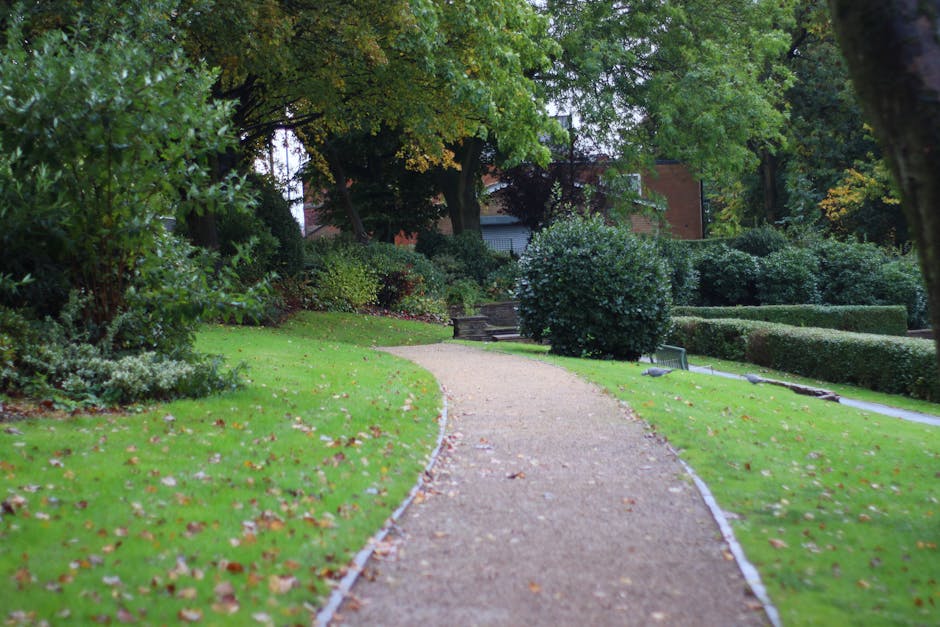
Bath Road Sipson garden maintenance guide for residents
If you live near Bath Road in Sipson, you already know the garden can be a blessing and a bit of a project at the same time. One week it looks tidy and calm; the next, a windy spell, heavy rain, or just a busy month gets on top of it. This Bath Road Sipson garden maintenance guide for residents is here to make the whole thing simpler, more manageable, and honestly a lot less stressful.
Whether you have a compact front garden, a long rear plot, shared boundaries, or a space that needs regular rescue from weeds and weather, the goal is the same: keep it safe, neat, healthy, and pleasant to use. You will find practical routines, local considerations, and a clear step-by-step approach you can actually follow. No fluff. Just useful guidance that fits real life in and around Sipson.
Table of Contents
- Why Bath Road Sipson garden maintenance guide for residents matters
- How the maintenance approach works
- Key benefits and practical advantages
- Who this is for and when it makes sense
- Step-by-step guidance
- Expert tips for better results
- Common mistakes to avoid
- Tools, resources and recommendations
- Law, compliance, standards, or best practice
- Options, methods, or comparison table
- Case study or real-world example
- Practical checklist
- Conclusion
- Frequently asked questions
Why Bath Road Sipson garden maintenance guide for residents Matters
Bath Road sits in a part of west London where gardens tend to work hard. Exposure, traffic dust, compacted soils, shade from buildings or fences, and the general pressure of urban life all show up in different ways. A garden here can look fine at a glance, yet still be quietly struggling underneath. That is why a practical maintenance plan matters so much.
Good garden maintenance is not only about appearances. It supports healthy growth, reduces trip hazards, keeps paths and patios usable, and helps you stay on top of issues before they become expensive. A small build-up of moss, a hedge that has gone a little too far, or a patch of lawn left after a wet spell can become a bigger job than it first looks. We have all seen that happen.
For residents, the value is even more everyday. A neat garden gives you somewhere to sit for ten minutes with a tea, somewhere for children or pets to move around safely, and somewhere that feels looked after rather than neglected. That matters on a practical level, but it also matters for how your home feels when you step outside.
Expert summary: the best garden maintenance for Bath Road Sipson homes is steady, seasonal, and preventative. The aim is not perfection; it is control, consistency, and healthy plants that do not become a burden.
If your space is already overgrown, do not worry. A reset is possible. In fact, a lot of gardens improve fastest once they are brought back to a manageable baseline with help from a sensible routine or a one-off restoration such as starting strong with an overgrown garden.
How Bath Road Sipson garden maintenance guide for residents Works
Think of maintenance as a cycle rather than a one-time tidy-up. The basic process is simple: inspect, clear, cut, feed, protect, and repeat. But the order and timing matter more than people realise. A garden that is assessed regularly is much easier to keep in shape than one that is only touched when it looks wild.
In practice, the work usually breaks into several layers:
- Surface care: mowing, edging, sweeping, and deadheading.
- Plant health: pruning, staking, feeding, watering, and pest spotting.
- Ground care: weeding, mulching, soil improvement, and drainage checks.
- Structure care: hedge trimming, boundary checks, tree work, fencing, decking, and patio upkeep.
That layered approach is important because the visible part of a garden is only half the story. For example, a tidy lawn might still be suffering if the soil is compacted. A hedge can look neat from the street yet be too dense for healthy light and airflow. A patio can be clean but slippery. A maintenance plan should deal with all of that, not just what catches the eye.
For residents who prefer a more structured service, this is where a broader garden maintenance service can fit neatly into the picture. It helps to have one coordinated plan instead of separate jobs done at random times.
And truth be told, that coordination saves a lot of hassle. Nobody really wants three different visits in one month just to discover the same patch of garden needed a slightly more joined-up approach. Bit of a faff, as they say.
Key Benefits and Practical Advantages
Regular garden care is often sold as a luxury, but for most households it is actually a practical form of protection. Once you start thinking in those terms, the benefits become easier to spot.
- Better kerb appeal: a well-kept front garden makes the whole property feel cleaner and more cared for.
- Fewer repair problems: catching overgrowth, broken edges, or drainage issues early can reduce damage later.
- Safer outdoor movement: tidy borders, clear paths, and trimmed hedges reduce clutter and obstruction.
- Healthier planting: pruning, feeding, and soil care help plants recover stronger after wet or windy weather.
- More usable space: a garden only feels bigger when you can actually move through it easily.
- Lower stress: a manageable routine beats a huge emergency clear-up every single time.
There is also a less obvious benefit: maintenance helps you notice what your garden is trying to tell you. Maybe one corner is always damp. Maybe the hedge on one side is stretching for light. Maybe the lawn is thin because the soil is tired. Once you notice the pattern, you can do something about it before it becomes a recurring nuisance.
Residents with smaller plots often benefit from simple, low-maintenance planting ideas too. Ground cover, vertical growing, and container planting can reduce work while still keeping things attractive. If that sounds relevant, the guide on ground covers that thrive in UK gardens is a useful companion read.
Who This Is For and When It Makes Sense
This guide is for anyone responsible for a garden in or around Bath Road Sipson, but the needs can vary quite a lot. A busy family with children and pets will want different priorities from a retired resident with ornamental beds, or a landlord keeping a rental frontage presentable between tenancies.
It makes sense to focus on routine maintenance if any of the following sound familiar:
- You keep saying you will sort the garden "next weekend" and next weekend disappears.
- The lawn patches are getting thinner or mossy.
- Hedges are spilling over paths, fences, or neighbours' boundaries.
- Weeds keep reappearing in paving joints and borders.
- Leaves, twigs, and debris are building up faster than you can clear them.
- You want the garden to be usable, not just vaguely presentable from indoors.
It is also a smart time to act before seasonal pressure hits. For example, autumn and winter often expose neglected drainage, weak branches, and slippery hard surfaces. A little attention before the weather turns can make a big difference. That is why advice on protecting your garden in winter and shielding gardens from wind can be especially useful in exposed or open spots.
On the other hand, if your garden is already in rough shape, a proper reset may be the better starting point. There is no shame in that. Gardens are living spaces; they do not all stay tidy on their own. Not even close.
Step-by-Step Guidance
If you want a simple system, use this one. It keeps the work sensible without turning every weekend into a full-blown project.
1. Start with a full walk-through
Look at the garden as if you are seeing it for the first time. Check the lawn, borders, hedges, hard surfaces, sheds, fences, trees, and any areas where water collects. Note what looks tired, what feels unsafe, and what simply looks untidy.
2. Clear the obvious waste first
Remove fallen branches, dead leaves, broken pots, weeds that have gone to seed, and any clutter that blocks access. This instantly makes the space easier to work in and shows what really needs attention.
3. Tackle pruning and cutting in the right order
Start with hedges, then shrubs, then any tree limbs or larger growth that affect light, access, or safety. If a hedge is bordering a path or front boundary, it usually deserves priority. For larger boundary work, a dedicated service such as hedge trimming in Sipson may be the most practical option.
4. Freshen the lawn
Mow when the grass is dry enough to cut cleanly, not when it is soggy and clumping underfoot. Keep edging tidy and remove thatch or moss if it has begun to dominate. If the lawn has become uneven, thin, or patchy, a more focused lawn care approach may help more than mowing alone.
5. Weed with intent, not panic
Weeds are much easier to control when removed early. Pull annual weeds before they seed, and deal with perennial weeds by removing roots where possible. A small weeding session every week or two is far better than a marathon battle in July.
6. Improve the soil
Feed beds with compost or organic matter where appropriate, and mulch bare areas to hold moisture and suppress weeds. The soil does most of the heavy lifting in any garden, so this step is often underestimated. If you like the idea of recycling garden waste usefully, organic waste innovations for soil fertility is worth a look.
7. Check hard surfaces and drainage
Patios, paths, and driveways can become slippery, stained, or blocked by debris. Clear moss, remove grit, and watch for standing water after rain. If the surface is heavily marked or algae-covered, patio cleaning can restore both safety and appearance.
8. Review boundaries and structure
Look at fences, gates, trellises, and any supporting structures. A loose panel or leaning post is annoying now and a real problem later. If you need upgrades or repairs, it may be time to consider fencing support.
9. Finish with a maintenance calendar
Do not leave the garden in "done for now" mode without a plan. Set reminders for mowing, hedge checks, seasonal pruning, feeding, and winter prep. It sounds simple, but this is where a garden starts staying in shape rather than swinging between chaos and recovery.
Expert Tips for Better Results
Here are the sorts of things that make a real difference, especially in a suburban London setting where space can be tight and weather can be a bit unpredictable. To be fair, some of these tips are common sense. But common sense still needs saying.
- Cut little and often: regular light maintenance usually creates better-looking hedges and shrubs than occasional hard cutting.
- Don't scalp the lawn: leaving grass slightly longer in dry or changeable weather helps it cope better.
- Mulch before you notice trouble: bare soil loses moisture and invites weeds faster than many residents expect.
- Work with the season: spring is for renewal, summer for control, autumn for preparation, winter for protection.
- Make access easy: if tools are hard to reach, the garden gets ignored more easily. Simple, but true.
- Prioritise safety at height: ladder work and larger branch cuts are not worth a risky wobble on damp ground.
A good local rule of thumb is this: if a task is recurring, build it into the routine. If a task is large, awkward, or potentially unsafe, do not keep pretending it is a "quick job". That is how weekends disappear.
For residents who want a more calming and usable outside area, it can help to think beyond pure maintenance and into layout. A neat seating corner, some low planting, and a clear path can transform how often you use the space. There are some nice ideas in well-planned garden seating ideas and zen garden inspiration.
Common Mistakes to Avoid
Most garden problems do not begin with one huge mistake. They begin with a few small delays. Then one wet week, and suddenly everything feels bigger than it should.
- Letting hedges go too long: once growth becomes dense and uneven, the job is slower and often less tidy.
- Ignoring the back corners: the places you do not see daily are usually where weeds, damp, and pests settle first.
- Using the wrong cutting rhythm: some plants need shaping, while others need selective pruning. A blunt approach can damage growth.
- Cleaning hard surfaces too late: moss and algae are much easier to manage before they become firmly established.
- Overwatering containers: pots need attention, but soggy compost can be just as harmful as dry soil.
- Skipping seasonal prep: wind, frost, and rain are far less forgiving if the garden has already been neglected.
Another common issue is trying to do everything in one go after months of delay. That sounds determined, but it often leads to rushed cuts, tired backs, and a half-finished space. Better to do the right amount properly than to overdo it and need a second rescue.
For a practical way to avoid the "out of sight, out of mind" problem, combine quick weekly checks with a deeper monthly tidy. It is a small habit, yet surprisingly powerful.
Tools, Resources and Recommendations
You do not need a van full of equipment to keep a garden in good shape. In fact, a smaller, reliable toolkit is often better because it gets used properly. If a tool is awkward, dull, or buried in the shed behind three old plant pots, it probably will not help much.
| Task | Useful tool or approach | Why it helps |
|---|---|---|
| Grass cutting | Lawn mower with sharp blades | Gives a cleaner finish and reduces tearing |
| Edge tidying | Half-moon edger or line trimmer | Keeps paths and borders defined |
| Hedge care | Hedge trimmer or hand shears | Helps maintain shape and control growth |
| Weed control | Hand weeder, hoe, mulch | Removes weeds early and prevents regrowth |
| Soil improvement | Compost, fork, mulch | Supports structure, moisture retention, and fertility |
| Surface cleaning | Broom, patio cleaner, stiff brush | Reduces slippery buildup and keeps surfaces usable |
For many residents, the smartest option is not buying more tools but deciding what to do in-house and what to outsource. Larger or riskier jobs often benefit from professional support, especially if they involve trees, overgrowth, or a full garden reset. The local gardening services page is a practical starting point if you want help with a wider range of tasks.
If you are trying to keep costs down, it can also help to choose low-maintenance planting schemes. The article on low-maintenance garden concepts is a sensible companion, especially for busy households.
Law, Compliance, Standards, or Best Practice
Garden maintenance in a residential area is usually straightforward, but there are still a few best-practice areas worth keeping in mind. This is especially important where work affects boundaries, access, safety, or shared spaces.
For example, hedge growth should be managed carefully where it overhangs paths or neighbours' land. Tree work can carry safety risks and may need specialist knowledge, especially if branches are large, diseased, or near structures. If in doubt, it is better to pause and assess than to improvise. That is one of those places where confidence can get expensive quickly.
Good practice also means:
- keeping walkways free from debris and slippery buildup,
- using tools safely and storing them responsibly,
- not allowing vegetation to block light, access, or visibility,
- being considerate of neighbours when trimming near boundaries,
- checking whether larger trees or structural changes need professional attention.
Where a service provider is involved, it is sensible to review their safety information, booking terms, and payment process before work begins. Helpful references on that side include health and safety information, terms and conditions, and payment and security. If you are comparing providers, the about us page can also help you understand who you are dealing with.
For residents who simply want clarity before starting, the best step is often to ask early, especially if the job involves height, access limits, or uneven ground. A quick conversation saves a lot of back-and-forth later. Sometimes the least dramatic route is the smartest one.
Options, Methods, or Comparison Table
Not every garden needs the same style of maintenance. Some respond best to light, regular touch-ups. Others need a proper seasonal reset. Here is a simple comparison to help you choose the right approach.
| Method | Best for | Pros | Limitations |
|---|---|---|---|
| Weekly DIY upkeep | Small to medium gardens, confident homeowners | Low cost, flexible, keeps problems small | Relies on time and consistency |
| Seasonal deep tidy | Gardens that drift out of shape between seasons | Fast visible improvement, good reset point | Can feel overwhelming if left too long |
| Ongoing professional maintenance | Busy households, landlords, larger or more complex plots | Reliable, coordinated, less effort for the resident | Ongoing spend rather than one-off effort |
| Project-based specialist work | Hedges, trees, landscaping, structural issues | Better for larger or riskier tasks | May need separate planning around other garden care |
For many Bath Road Sipson residents, the most effective setup is a mix: basic weekly or fortnightly DIY, plus occasional specialist support when hedges, lawns, or trees need more than a quick tidy. That balance tends to work better than trying to force one approach onto every task.
If your garden includes ambitious planting, vertical features, or containers, then a more tailored routine can help a lot. There is useful context in container gardening for urban spaces and vertical gardening for compact plots.
Case Study or Real-World Example
Picture a typical Bath Road side garden after a few wet weeks: the lawn has gone soft and patchy, a hedge has started to lean over the path, weeds are popping up in the paving joints, and the patio has taken on that slightly green, slippery look that sneaks up on you. Nothing dramatic. Just enough to make the space feel tired.
In a case like that, the best result usually comes from working in stages rather than attacking everything at once. First, clear debris and cut access routes open. Then tackle the hedge and any overgrowth that is blocking light or movement. After that, deal with the lawn, weeds, and surface cleaning. Finally, improve the soil or planting areas so the garden starts recovering rather than simply being trimmed into temporary order.
That approach changes the feel of the space quickly. You can walk through it safely. The eye has room to rest. And once the big visual clutter is gone, the smaller details become manageable again. A resident does not suddenly become a gardening enthusiast overnight, obviously, but the garden stops feeling like a problem hanging over the week.
We have seen that same pattern in many ordinary residential gardens: once the "hard to face" work is done, the rest is just maintenance. A bit of weeding here, a mowing session there, maybe some edging at the weekend. Simple enough. And much nicer to live with.
Practical Checklist
Use this checklist for a quick seasonal or monthly review.
- Check lawn condition and mow if needed.
- Trim hedges before they block paths or windows.
- Remove weeds from borders and paving joints.
- Clear leaves, twigs, and other debris.
- Inspect patios, paths, and steps for slippery buildup.
- Look for damaged fence panels or loose edging.
- Review drainage and any areas where water pools.
- Feed or mulch beds where the soil looks tired.
- Check for dead, diseased, or broken plant material.
- Note any bigger jobs that need professional help.
Quick rule: if a job takes more than one sentence to explain, it probably deserves more than one rushed hour at the weekend.
Get a free quote today and see how much you can save.
Conclusion
A good Bath Road Sipson garden maintenance routine is not about chasing a perfect showpiece. It is about keeping your space healthy, safe, and pleasant enough to use without feeling like you are constantly catching up. That is the real win.
Start with the jobs that improve access and stop the garden from sliding backwards: hedges, weeds, lawn care, and surface cleaning. Then build a rhythm that fits your routine, your garden size, and the amount of time you genuinely have. If the job is bigger than expected, split it into stages or bring in support where it makes sense.
And if you are standing in the doorway wondering where to begin, begin small. One clear path. One hedge. One patch of weeds. Gardens respond to steady care, not heroics. A little attention now can make the whole place feel lighter by the weekend.
When the garden feels calmer, so do you. Funny how that works, really.
Frequently Asked Questions
What does a Bath Road Sipson garden maintenance guide for residents usually cover?
It usually covers lawn care, hedge trimming, weeding, pruning, patio cleaning, soil improvement, seasonal protection, and basic checks for safety and boundary issues. The idea is to keep the garden usable and healthy all year.
How often should a residential garden in Sipson be maintained?
Most gardens benefit from at least a light weekly or fortnightly tidy, with deeper seasonal work in spring and autumn. Lawns, hedges, and patios often need more frequent attention depending on weather and growth rate.
Is it better to do garden maintenance myself or hire help?
That depends on time, confidence, and the size of the job. Small, regular tasks are often manageable DIY, but overgrown hedges, tree work, or a full reset can be easier and safer with professional help.
What are the most important tasks for keeping a front garden tidy?
Focus on mowing, edging, weed removal, hedge shaping, and keeping paths clear. Front gardens matter visually, but they also need to stay safe and easy to access.
Why does my lawn look worse after wet weather?
Wet weather can compact the soil, encourage moss, and make cutting less effective. If the lawn stays soggy or patchy for long periods, it may need aeration, better drainage, or improved soil care.
Can hedge trimming be done at any time of year?
Not always. The right timing depends on the hedge type, the growth stage, and whether birds are nesting. A gentle, regular trimming routine is usually better than leaving it until the hedge becomes too dense.
What should I do if my garden has become overgrown?
Start by clearing debris, then open up access, then cut back the most obstructive growth. After that, deal with the lawn, weeds, and soil health. If the job is large, a staged approach works much better than trying to do everything in one go.
How do I keep patios and paths safer in damp weather?
Remove moss, algae, and leaf buildup regularly, and make sure drainage is working properly. Clean, clear surfaces are less likely to become slippery or unpleasant to use.
Are there any safety checks I should do before garden work?
Yes. Look for loose paving, unstable fence panels, damaged tools, hidden trip hazards, and any branches or structures that could fall. If something looks risky, it is worth pausing and assessing it properly.
What is the most cost-effective way to maintain a garden over time?
The most cost-effective method is usually regular small-scale upkeep, because it prevents bigger repairs and major clearances later. A simple routine often saves more than a large once-in-a-while tidy.
Do I need different maintenance in winter compared with summer?
Yes. Winter care is more about protection, drainage, and keeping surfaces safe, while summer is usually focused on mowing, watering, pruning, and weed control. Each season asks for something slightly different.
Where should I start if I want help with garden maintenance near Bath Road Sipson?
A good starting point is to decide which tasks you want handled, then compare the support available for lawns, hedges, patios, and broader garden care. If you want to discuss your garden directly, you can use the contact page to make the next step easier.