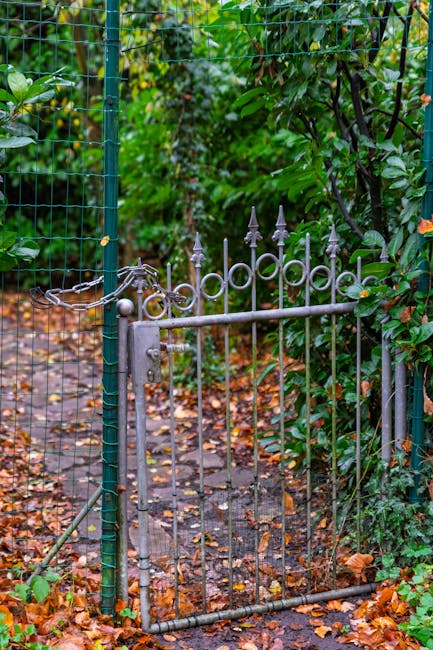
What to know about access issues for Sipson gardeners
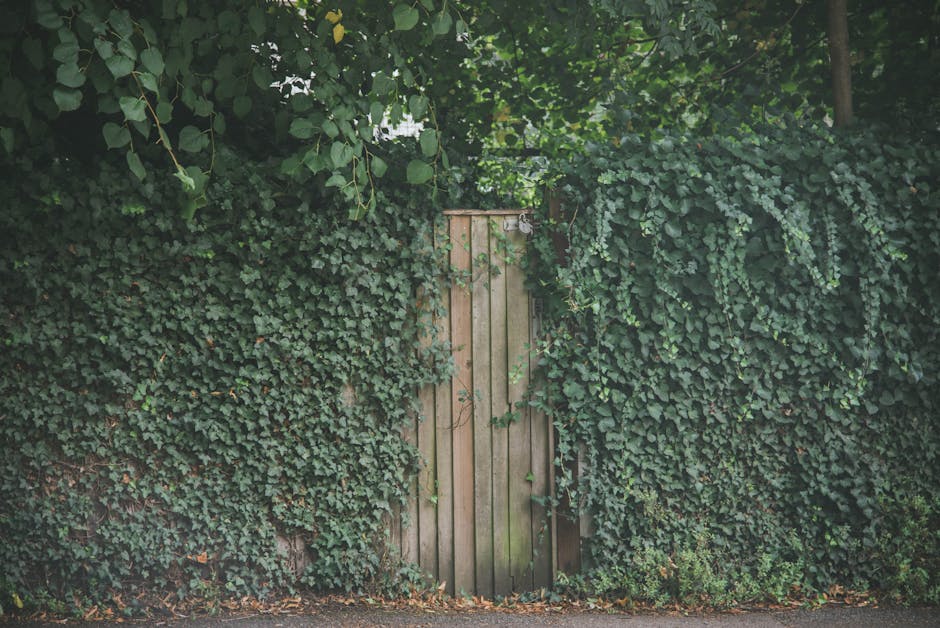
Access sounds like a small detail until a gardener turns up and realises the side gate is too narrow, the path is slick with morning dew, or the only route to the back garden runs past bins, bikes, and a slightly stubborn washing line. Then it becomes the whole job. If you are trying to understand What to know about access issues for Sipson gardeners, the short version is simple: good access saves time, reduces risk, protects plants and surfaces, and makes the work smoother for everyone involved.
In Sipson, that often means dealing with compact entrances, shared paths, tight terraced layouts, awkward parking, and gardens that are much easier to admire than to reach with a mower, wheelbarrow, or hedge trimmer. This guide breaks down what access issues actually mean, why they matter, how they are handled in practice, and what you can do before a visit so the day goes well. No drama, no guesswork. Just the useful bit.
Expert summary: the best access plan is usually the one that is agreed in advance, checked on site, and kept practical. A clear route, a safe place for tools, and a quick conversation about gates, parking, and obstacles can prevent most of the avoidable headaches.
Why access issues for Sipson gardeners matter
Garden work is physical. It relies on people, tools, space, and safe movement. When access is poor, even a simple task like mowing a lawn can take longer than expected. A hedge trim may need extra ladder positioning. Garden clearance may need more trips in and out. Even a routine maintenance visit can feel clumsy if the route to the garden is narrow or blocked.
That is why access is not just a practical annoyance. It affects scheduling, labour, safety, and cost. If a gardener has to carry heavy bags of waste through a tight side passage, there is more chance of scuffing walls, catching a hosepipe, or damaging a border edge. If the only entrance is through the house, you also need to think about floors, wet boots, and indoor cleanliness. Simple enough, but easy to overlook.
For customers in Sipson, this matters because gardens can vary a lot even within a short local area. Some are straightforward. Others have narrow entry points, shared driveways, locked gates, or parked vehicles that make moving equipment awkward. The point is not to panic. It is to plan well enough that the work can happen without hassle.
In our experience, people often only notice access when it goes wrong. A gardener arrives with the right kit, but the wheelbarrow will not fit. Or the patio cleaner needs a water source, but the tap is on the other side of a locked outbuilding. That sort of thing. It is not catastrophic, just inefficient. And nobody enjoys paying for inefficiency.
How access is assessed and managed
Good access planning usually starts before the appointment. A homeowner or property manager explains the layout, and the gardener works out what that means in real terms: how to get in, where to leave tools, where waste can be gathered, and whether anything needs moving first. If there is a tricky path, a steep step, or a narrow side passage, that should be discussed early.
For many jobs, access management is a mix of common sense and preparation. The gardener may ask a few direct questions: Is there rear access? Can a van park nearby? Are there pets in the garden? Is there a locked gate or an alarmed outbuilding? Do you need the work done without coming through the house? These questions can feel a bit fussy, but they save time later.
Different services are affected in different ways. For example, lawn mowing and lawn care need straightforward movement for machines, fuel, and cuttings. hedge trimming may require secure ladder placement and clear ground space. garden clearance often creates the biggest access challenge because waste has to be carried out repeatedly. If the job includes tree surgery or tree lopping and removal, access matters even more because the work can involve larger equipment, controlled drop zones, and careful movement of cut material.
There is also a difference between one-off access and ongoing access. A single visit can sometimes work around awkward conditions. Regular garden maintenance, though, benefits from a stable routine. Once a gardener knows the best gate, the best parking spot, and the safest route, everything becomes quicker and cleaner. Honestly, that is where the real value tends to show up.
Key benefits and practical advantages
Proper access planning gives you more than convenience. It changes the quality of the job. Here are the main advantages:
- Safer work: fewer trips, fewer awkward carries, and less chance of slips, trips, and bumps.
- Less disruption: tools and waste move more cleanly through the property.
- Better timekeeping: the job starts sooner and usually finishes closer to schedule.
- Lower risk of damage: borders, paving, fencing, and indoor surfaces are better protected.
- More accurate pricing: access details help the gardener quote more realistically.
- Cleaner results: especially for jobs involving clippings, soil, or clearance waste.
There is a quieter benefit too: better communication. Once access is discussed properly, the rest of the job often flows more easily. The gardener knows what to expect, and you know what will happen on the day. That calmness matters. Gardening is a practical trade, but a lot of the stress comes from uncertainty rather than the work itself.
If you are comparing services, access also helps distinguish a quick price from a proper price. A quote that assumes easy, direct access is not the same as one that includes carrying materials through a house or dealing with a long, obstructed route. That is one reason many people look at pricing and quotes alongside the practical details. The cheapest number is not always the cleanest fit.
Who this is for and when it makes sense
This topic matters to a lot of people, not just homeowners with tricky side gates. If you manage a rental property, look after a shared garden, or are arranging seasonal clearance after a long quiet spell, access can decide how easy the work will be.
It makes particular sense to think about access if any of these apply:
- the garden is behind a narrow alley or shared passage
- the front door route is the only reliable way in
- there is no nearby parking for a van or trailer
- the garden contains large furniture, broken pots, or heavy waste
- you need work completed while residents, tenants, or pets are present
- the job includes fencing, decking, patios, or other larger materials
Access is also worth discussing if the job is emotional as well as practical. Some gardens have been neglected for a long time, and the clutter can make the entrance itself part of the problem. In those cases, a phased plan often works better than trying to do everything in one go. A good gardener will not be thrown by that. Truth be told, they have usually seen it before.
For customers who simply want a tidy, reliable service, access planning still matters even if the garden looks easy at first glance. A flat lawn can still have a gate hinge that only opens halfway. A patio can still have a delivery bag sitting right where the mower needs to turn. Small things, big effect.
Step-by-step guidance
If you want to make access smoother for a gardening visit in Sipson, follow this basic sequence. It is simple, but it works.
- Walk the route in advance. Start from the street and follow the exact path a gardener would take. Notice gates, steps, locks, tight corners, muddy patches, and any low branches.
- Measure the pinch points. You do not need a surveyor's kit. Just check whether a mower, barrow, ladder, or bulk bag can realistically pass through.
- Identify what must be moved. Bicycles, bins, plant pots, garden furniture, children's toys, and loose hoses are the usual suspects.
- Think about waste movement. If the job will generate cuttings or debris, where will it be stacked, and how will it be carried out?
- Share the access details clearly. Let the gardener know about parking, gate codes, locked areas, shared entrances, pets, or indoor routes.
- Decide whether the work is one-off or ongoing. Routine visits usually benefit from a standing access plan.
- Confirm safety expectations. If the garden has awkward surfaces, fragile ornaments, or hidden hazards, point them out before the day.
A useful habit is to take a quick mental photo of the route. Not an actual one, though that can help too. More the kind where you think, "Right, this is the path, this is the gate, this is the place where the wheelbarrow will probably catch." Once you do that, you are already ahead.
If there is a special concern, such as access through a communal hall or around a shared driveway, explain it early and plainly. The best arrangements are usually boring ones. Boring is good here.
Expert tips for better results
After plenty of routine visits, a few patterns stand out. These are the details that make a noticeable difference.
- Leave gates fully functional. A sticky latch or half-broken hinge can turn a five-second task into a three-minute annoyance.
- Keep the route dry where possible. If the side return tends to hold water, lay something temporary only if it is safe and does not create a trip hazard.
- Give the gardener a clear parking option. Even a slightly closer space can reduce carrying distance a lot.
- Move fragile items out of the way. Ornaments, plant stands, and slim pots near the access route are easy to knock by mistake.
- Separate access from garden design problems. Sometimes what looks like an access issue is really a layout issue, and that may be more relevant to landscape gardening or landscaping.
One small but useful tip: if your garden includes a patio, clearing the route over it can matter more than you expect. Slippery leaves, moss, and scattered soil can make movement awkward, especially early in the morning when everything still has that cold, damp feel. For that kind of surface, patio cleaning is not just cosmetic. It can improve safe access as well.
Also, be realistic about what can be done in one visit. A tidy access route today is often enough. A perfect access route? Nice if it happens, but let's face it, gardens are living spaces, not showrooms.
Common mistakes to avoid
Most access problems are avoidable. The trouble is, they are easy to miss until the work starts. Here are the mistakes that come up again and again:
- Not mentioning the narrow bit. The route always has one awkward stretch. Tell someone about it.
- Leaving bins, toys, or materials in the passage. It only takes a couple of items to block movement.
- Assuming everyone can use the same route. A gardener with tools and waste bags may need a wider path than a person walking through casually.
- Forgetting about locked gates or side entrances. Keys, codes, and permissions matter more than people expect.
- Not checking parking restrictions. If the van cannot stop nearby, the whole job may take longer.
- Ignoring the weather. A route that is fine in summer can be muddy, slippery, or leaf-covered in autumn and winter.
There is another quiet mistake: not matching the access conversation to the service itself. A simple mow is one thing. A full clearance is another. A tree job is another again. If you are arranging a more involved service, it is worth checking the provider's broader gardening services and asking what the access expectations are for that specific task.
And yes, sometimes the mistake is thinking, "It'll be fine on the day." That is a very human thought. It is also the one that creates last-minute stress.
Tools, resources and recommendations
You do not need specialist equipment to prepare for access issues, but a few practical tools can help:
- Tape measure: useful for checking gate widths and tight bends.
- Notebook or phone notes: handy for recording the route, gate details, and any special instructions.
- Garden gloves and a rake: useful if you are clearing the route yourself before the visit.
- Bin bags or waste containers: helpful if you want clippings gathered neatly before pickup.
- Temporary markers: can help show fragile edging or hidden changes in level, though keep them simple and visible.
From a service-planning point of view, a few related pages can also help you think through the job properly. If access is likely to affect the amount of time or labour needed, take a look at garden maintenance for recurring work, or garden clearance if the route will be used repeatedly for waste removal. For structural jobs, fencing and decking services may involve their own access constraints too.
If the question is less about tools and more about reliability, the useful documents are the boring ones: health and safety policy, insurance and safety, and terms and conditions. Not exciting reading, granted. Still worth a glance if access concerns are tied to risk or responsibility.
Law, compliance and best practice
Access issues are not usually a legal drama, but they do touch on everyday best practice. In the UK, work on private property should be carried out safely, with reasonable care for people, surfaces, and surrounding property. That is the practical level most customers need to think about.
For gardeners, good practice usually means:
- using safe manual handling for heavy items
- avoiding unnecessary damage to walls, gates, and paving
- keeping walkways clear where possible
- being upfront if access conditions make the work slower or riskier
- checking that ladders, tools, and machinery can be used safely on site
If a route is genuinely unsafe, the right response is not to push on regardless. It is to pause, adapt, or rearrange the approach. That may mean moving waste in smaller loads, using different equipment, or agreeing a revised plan. Reasonable, not rigid.
This is also where a provider's safety information matters. A customer should feel comfortable asking how access affects liability, site precautions, and any property protection measures. If you want the formal side of that, the site's accessibility statement and about us pages help set expectations about service values and user experience, even before the first visit.
Practical best practice: if access could affect safety or the finish of the work, discuss it before booking rather than during the job. That one conversation can prevent a lot of awkwardness later.
Options, methods, or comparison table
Different access setups call for different working methods. Here is a simple comparison to help you see what changes in practice.
| Access situation | Typical challenge | Best approach | Best suited to |
|---|---|---|---|
| Wide direct access | Usually very few barriers | Standard equipment and normal workflow | Lawn mowing, general maintenance |
| Narrow side passage | Limited room for barrows, mowers, and bags | Smaller loads, clear route, careful movement | Garden clearance, hedge trimming |
| Through the house | Floor protection and indoor cleanliness | Agree route, wipe footwear, use protective coverings if needed | Smaller jobs, limited external access |
| Shared or communal access | Permissions, timings, and shared responsibility | Plan timing carefully and keep routes clear for others | Managed properties, flats, communal gardens |
| Restricted parking | Longer carry distance from van to garden | Budget extra time, consolidate tools, arrange loading plan | All larger jobs |
The table is simple on purpose. Access decisions are usually simple too, once you strip out the noise. The trick is knowing what kind of access you actually have, not the one you wish you had.
Case study or real-world example
Here is a realistic example from a typical Sipson-style booking. A customer wanted regular maintenance for a back garden that looked tidy from the front. Nothing extreme. But the only route through the side of the property had a narrow gate, a slightly uneven paving run, and a wheelie bin that kept ending up in the way.
At first glance, it seemed like a minor inconvenience. On the day, though, the route mattered. The gardener needed to bring in tools, collect clippings, and move them back out without dragging soil over the paving. The fix was simple: the route was cleared the evening before, the bin was moved to one side, and the customer left the gate unlocked with a clear note about the preferred entry point. That was it.
The job ran more smoothly, the finish was cleaner, and nobody had to keep stopping to shift obstacles. Not glamorous. Very effective.
That example shows a useful truth: access issues are often solved by ordinary preparation, not expensive solutions. If the access is more difficult than that, the same principle still holds. Break the problem into smaller parts and work out the route, the load, the timing, and the equipment. Small steps. They add up.
Practical checklist
Use this before a gardener arrives, especially if the site is awkward or the job is larger than usual.
- Gate width checked and usable
- Locks, codes, and keys arranged in advance
- Parking location confirmed
- Side passage or shared route cleared
- Bins, bikes, toys, and loose items moved
- Pets secured indoors or away from the work area
- Slippery surfaces noted
- Fragile pots and ornaments protected or moved
- Waste storage area identified
- Any indoor route protected and agreed
- Special hazards explained clearly
- Payment, timing, and access expectations understood
If you can tick most of those off, you are in good shape. If not, that is fine too. The point is not perfection. The point is fewer surprises.
Get a free quote today and see how much you can save.
Conclusion
Access issues are one of those unglamorous details that quietly shape the whole gardening experience. Get them right, and the work feels calmer, cleaner, and more efficient. Get them wrong, and even a simple job can become stop-start and frustrating. That is why What to know about access issues for Sipson gardeners comes down to early planning, clear communication, and a realistic look at the route from street to garden.
Whether you are arranging routine mowing, a one-off clearance, or a more involved garden project, the same idea applies: know the access, clear the route, and speak up about anything awkward before the tools come out. It really is that straightforward, mostly.
If you are still unsure, choose the safe option and ask the questions before booking. A few minutes of honest discussion now can save a lot of back-and-forth later. And that, to be fair, is the sort of boring wisdom that tends to work best.
For privacy, browsing, and service expectations, you can also review the site's privacy policy, payment and security information, and contact us page if you are ready to make an enquiry.
Good garden work starts with a clear path. Everything else becomes easier from there.
Frequently Asked Questions
What counts as an access issue for gardeners?
An access issue is anything that makes it harder to reach the garden safely or move equipment, waste, or materials through the property. That can include narrow gates, locked side passages, steep steps, poor parking, slippery surfaces, or routes through the house.
Should I mention access problems before booking?
Yes. It is much better to explain them in advance. A gardener can then plan the right equipment, allow enough time, and avoid awkward surprises on the day. A short honest description usually does the trick.
Do access problems affect the price?
They can. If the gardener has to carry tools further, work more slowly, or take extra steps to protect surfaces, the job may take longer. That is why clear details matter when you request pricing and quotes.
What if the only access is through my house?
That can still work, but it needs careful planning. You should agree the route, keep the path clear, and think about footwear, floor protection, and timing. It is a common setup for smaller jobs, though not ideal for every type of work.
How do I prepare a narrow side passage for a garden visit?
Move bins, bikes, toys, and loose pots out of the way. Check that the gate opens fully and that the ground is not slippery or obstructed. If possible, clear the route the evening before so nothing gets missed in the rush.
Do access issues matter more for clearance jobs than mowing?
Usually, yes. Garden clearance creates more repeated movement of waste, so a tight route can slow the work down. Lawn mowing is often easier, although even that can be affected if machines cannot get through the gate.
What should I tell the gardener about parking?
Tell them where parking is possible, whether there are restrictions, and how far the vehicle will be from the garden. A few extra metres can change the time and effort quite a bit, especially on larger jobs.
Is it a problem if the garden is only reachable through a communal area?
Not necessarily, but it should be discussed carefully. Shared routes need clear timings and respect for other residents. It is also wise to make sure the route is safe and that access will not block anyone else.
Can access issues affect safety?
Absolutely. Poor access can create trip hazards, awkward carrying conditions, and a higher chance of damage. This is especially relevant for ladder work, heavy loads, and wet or uneven ground.
What services are most likely to need access planning?
Garden clearance, hedge trimming, tree work, landscaping, fencing, and decking often need the most thought. Routine maintenance and lawn care can also be affected if the route is tight or if equipment is difficult to move.
How can I make access easier without spending money?
Clear the route, unlock gates, move obstacles, and tell the gardener about any awkward sections. Most access improvements are free. They just require a bit of thought and a few minutes of preparation.
Where can I find the company's service and policy details?
You can review helpful pages such as gardening services, health and safety policy, and insurance and safety to understand how service delivery and site care are approached.